Floral Shape Embroidery Design
A Designer’s First Look: Graceful, Not Fussy
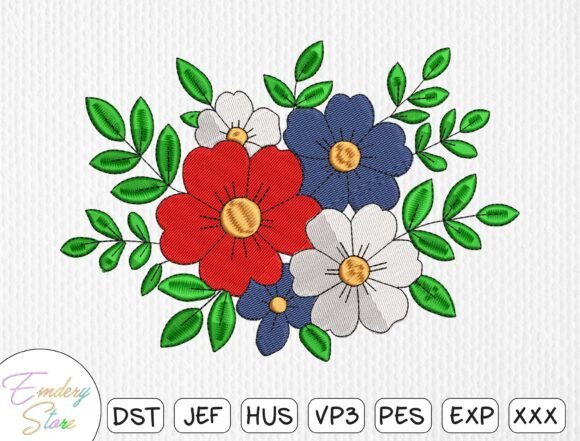
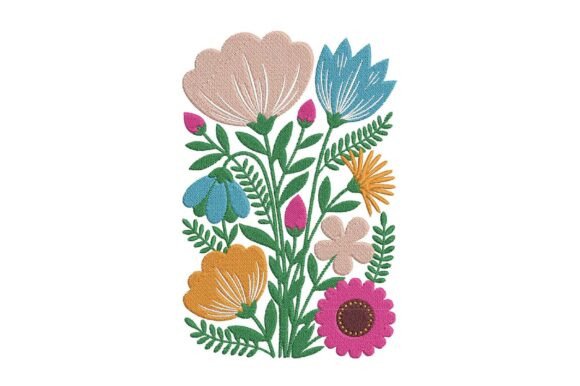
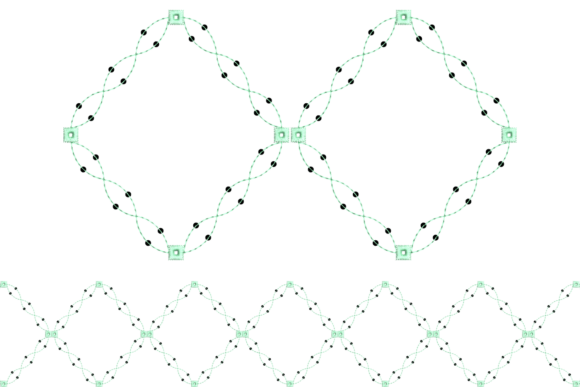
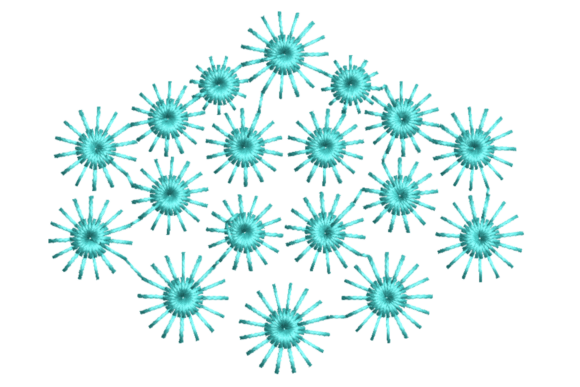
When I opened the Floral Shape Embroidery Design, what struck me wasn’t just the flowers—but how they’re composed. They don’t sprawl or cluster randomly. Instead, they’re arranged into a cohesive, flowing silhouette—like a soft oval or gentle teardrop, depending on your angle. It’s stylized without being abstract; floral without being literal. That balance is rare. As someone who’s stitched hundreds of designs for client projects and small-batch products, I immediately sensed its versatility: it reads as modern in a boutique apron but feels timeless on a linen baby blanket.
Real-World Test: A Custom Tote Bag for a Local Florist
Last week, I used the Floral Shape Embroidery Design on a heavyweight natural canvas tote—part of a small run for a neighborhood florist’s gift shop. No monogram, no text—just the design centered on the front panel. The result? Clean, intentional, and quietly luxurious. Customers paused to look. One asked, “Is that hand-drawn?” (It’s not—but the flow of stems and petals carries that human rhythm.) That reaction tells me something important: this isn’t background filler. It holds attention without shouting. For Etsy sellers or craft fair vendors, that kind of visual pause translates directly to dwell time—and sales.
Where It Shines (and Where It Asks for Care)
The Floral Shape Embroidery Design excels in medium-to-large applications where shape and proportion matter most:
- Custom apparel: Works beautifully on sweatshirt chest placements or the back yoke of a relaxed-fit tee—especially when paired with subtle thread colors like oatmeal, sage, or dusty rose.
- Tote bag design and pillow covers: Its balanced outline anchors the surface without overwhelming texture or pattern.
- Baby embroidery and nursery decor: Soft curves and open negative space make it soothing—not busy—on onesies, burp cloths, or wall hangings.
- Embroidered patch production: The clean outer edge stitches crisply, and the internal fill areas avoid excessive density that can stiffen fabric.
But—and this matters—it’s not a “drop-in-and-stitch” design for every scenario. Use caution with:
- Small hoop sizes (under 4”): Some petal details may compress or lose definition if scaled too far down.
- Stretchy fabric or thin fabric: Requires medium-weight cutaway stabilizer underneath—especially around curved stem lines that could pucker without support.
- Dark fabric: Test thread contrast first. Light-toned threads (ivory, pale gold) read well, but avoid near-white on black unless you’re confident in your machine’s tension control.
- Curved surfaces like caps: The shape’s gentle contour adapts better than rigid geometric motifs, but still benefits from a cap frame and basted stabilizer layer.
What It Adds to Your Finished Product
This isn’t just about prettiness. The Floral Shape Embroidery Design elevates perception. On a handmade product, it signals intention—not decoration for decoration’s sake. That builds customer trust. When buyers see thoughtful composition, they assume care went into the entire process: fabric choice, stitch quality, finishing. For small shop owners and creative entrepreneurs, that unspoken message strengthens brand consistency and supports higher perceived value.
It also performs well in digital contexts. As a digital embroidery file, it scales cleanly for printable mockups—no jagged edges or pixelation in previews. That’s critical for Etsy sellers who rely on polished listings. And because it avoids tiny lettering or micro-details, it photographs consistently across lighting conditions—no last-minute retouching needed.
Designer Notes You’ll Actually Use
Before stitching your first finished product, do these five things:
- Test on scrap fabric—same weight and weave as your final piece. Watch how satin stitch petals lie on textured canvas vs. smooth cotton twill.
- Review stitch density in your embroidery software. If fill areas feel heavy, consider reducing density by 5–8%—especially for baby items or garments meant for frequent washing.
- Confirm hoop size compatibility. This design likely fits comfortably in a 5x7” hoop, but verify before hooping expensive fabric.
- Inspect small details at 200% zoom: Are stem ends cleanly tapered? Do overlapping petals have intentional spacing—or risk nesting and thread buildup?
- Check licensing. If you plan to sell physical items (like embroidered tea towels or holiday embroidery kits), confirm whether the embroidery file permits commercial use. Same goes for reselling the digital file itself as part of a design assets bundle.
Final Thought: A Quiet Anchor for Creative Work
The Floral Shape Embroidery Design doesn’t try to be everything. It’s not a maximalist garden scene, nor a minimalist line drawing. It’s a quiet anchor—a shape that invites calm attention. That makes it unusually flexible across categories: holiday embroidery (think velvet stockings), wedding gifts (linen napkins), craft business branding (subtle logo alternative), even commercial embroidery for wellness studios wanting soft, grounded visuals.
If you’re evaluating it for your next project—whether it’s a single personalized gift or 50 tote bags for a local shop—trust your eye first. Does the shape feel resolved? Does it leave room for the fabric—and the wearer—to breathe? If yes, you’ve got more than a design. You’ve got a reliable, expressive tool. And in this industry, that’s worth more than novelty.