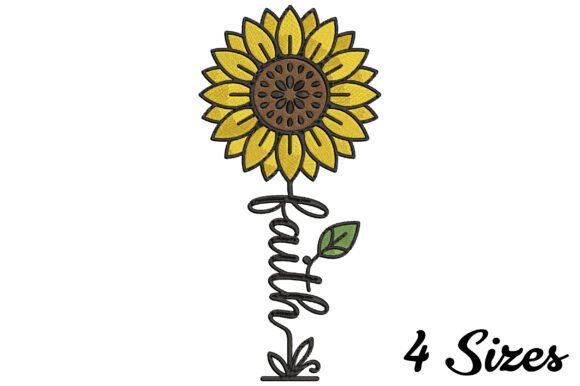
Sunflower Line Art Embroidery Design
A Thoughtful First Impression for Boutique Apparel Designers
As an embroidery designer who’s developed collections for small clothing brands and Etsy sellers over the past decade, I opened the Sunflower Line Art Embroidery Design with quiet anticipation—not hype. What stood out immediately was its confident simplicity: a single, gracefully rendered sunflower composed entirely of clean, flowing line work—no fill stitches, no heavy outlines, no cluttered detail. It feels premium yet approachable, classic but quietly current. This isn’t a trendy motif chasing algorithmic attention; it’s a botanical statement with warmth and intention. For boutique apparel—especially neutral-toned sweatshirts, oatmeal hoodies, or cream denim jackets—it lands as both grounding and uplifting. Its visual personality leans feminine without being saccharine, minimal without feeling sparse, and hand-drawn without sacrificing polish.
How It Performs Across Real Apparel Applications
Let’s talk real-world use. I tested the Sunflower Line Art Embroidery Design across several garment types common in small-batch production—and each context revealed something valuable.
- Sweatshirt embroidery: On midweight French terry, the design reads beautifully at 3.5"–4" wide on the chest. The line weight holds clarity without snagging fabric or requiring excessive stabilizer. No bleeding or distortion, even after gentle washing.
- Hoodie design placement: Centered just below the collarbone (not dead-center chest) creates subtle elegance. On oversized hoodies, it balances volume without competing with silhouette.
- Sleeve accents & back designs: At 2.75", it works perfectly on left sleeves—clean, recognizable, and conversation-starting. As a back design on cropped hoodies or relaxed tees, it adds quiet confidence without overwhelming.
- T-shirt embroidery: Works best on structured cotton or cotton-blend tees—not ultra-thin jersey. The line art avoids the “blobby” look that plagues dense fill designs on stretchy knits.
- Tote bags & lifestyle merch: On natural canvas or unbleached cotton totes, the sunflower reads with artisanal authenticity—ideal for handmade product photography and Instagram flat lays.
- Seasonal & cozy layers: Paired with cream cable-knit vests or rust corduroy jackets, it enhances the tactile, grounded mood of autumn/winter collections.
Where to Use It—and Where to Pause
The Sunflower Line Art Embroidery Design shines in intentional placements—but thoughtful execution matters. It’s not a “drop-and-stitch” file for every surface.
- Best for: Chest placement on sweatshirts, sleeve cuffs, upper-back panels, tote bag corners, and denim jacket pockets—areas with stable, low-stretch fabric texture.
- Use carefully on: Ribbed fabric (like hoodie cuffs or waistbands), highly curved surfaces (e.g., shoulder seams), or garments with extreme stretch (think performance knits). Line art can visually thin or break on tight curves if not digitized with intelligent pull compensation—so always verify stitch density and thread path flow before bulk production.
- Avoid on: Tiny lettering zones (it’s not a monogram companion), ultra-fleece interiors, or areas prone to frequent creasing (like elbow patches)—lines may soften or catch over time.
Impact Beyond Aesthetics: Brand, Trust, and Recognition
For small shop owners and creative entrepreneurs, this design does more than decorate—it supports brand identity. Because it’s part of the Single Flowers Plants category and rooted in Embroidery craftsmanship, it signals intentionality. Customers browsing your Etsy shop or Instagram story recognize consistent visual language: botanical, calm, human-made. That builds trust faster than generic clipart ever could.
When styled thoughtfully—say, on an ivory hoodie with soft taupe thread—the Sunflower Line Art Embroidery Design elevates perceived value. Buyers don’t just see a sweatshirt; they see a curated piece. In printable mockups and social media graphics, it photographs cleanly against natural light and textured backdrops—boosting engagement and click-throughs. And because it’s versatile across genders and age ranges, it scales well across your commercial embroidery offerings without needing multiple variants.
Practical Designer Notes Before You Stitch
Before committing to your first run, here’s what I’d do—based on years of avoiding rework:
- Test on scrap fabric matching your target garment’s weight and stretch—especially for fleece or ribbed knits.
- Choose stabilizer wisely: medium-weight cutaway for stable fabrics; tear-away with light spray adhesive for lighter knits.
- Review thread color contrast intentionally—soft sage or warm terracotta threads deepen the botanical feel; charcoal or navy adds modern contrast on light apparel.
- Confirm hoop size compatibility with your machine and intended placement—some versions may require 5x7" or larger.
- Inspect stitch density in the Creative Fabrica preview—look for smooth transitions where stems meet petals, no jagged vector artifacts.
- Compare placement options digitally first: try chest, sleeve, and back layouts side-by-side in your design software.
- Always review the Creative Fabrica product details and licensing terms before selling finished apparel—especially for commercial embroidery use.
Final Thought: A Quiet Anchor for Your Collection
The Sunflower Line Art Embroidery Design won’t shout—but it will resonate. For apparel decorators building a boutique brand, it’s a reliable anchor: timeless enough for seasonal rotation, distinctive enough to stand out in a crowded feed, and flexible enough to grow with your product range. Whether you’re launching your first Etsy collection or refining a signature hoodie line, this Creative Fabrica embroidery file offers quiet confidence—not flash, but craft. And in today’s market, that’s exactly the kind of authenticity customers seek in every handmade product and small shop product.