Daisy Wildflower Bee
A Designer’s First Stitch: Warm, Whimsical, and Wonderfully Gift-Ready
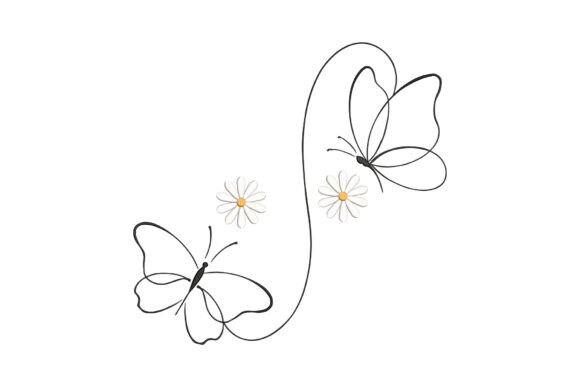
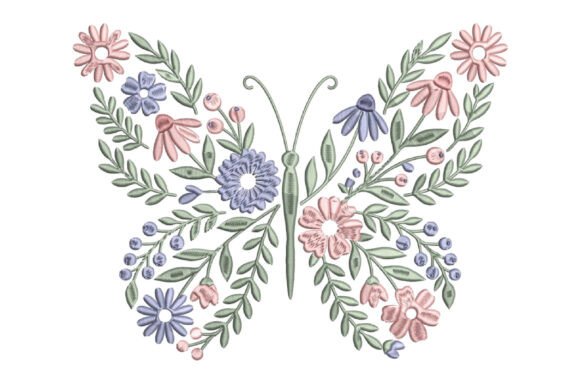
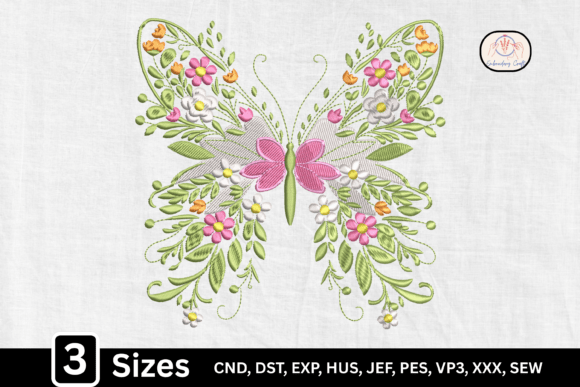
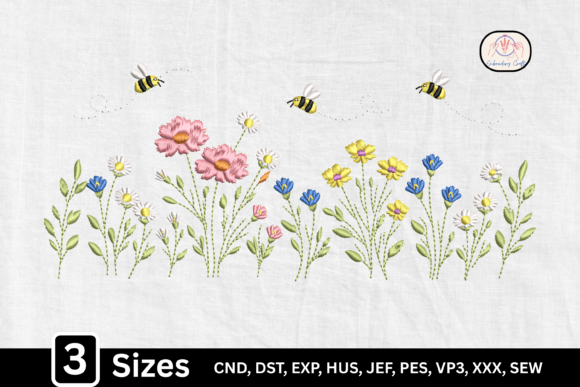
As an embroidery designer who’s developed over 300 machine embroidery designs for small shops and Etsy sellers, I opened Daisy Wildflower Bee expecting charm—and got something richer: a quiet invitation to slow down and celebrate small joys. The first impression? Sweet but never saccharine. Romantic without being fussy. Playful, yes—but grounded in botanical authenticity. It’s not just a bug-in-flower motif; it’s a spring meadow captured in thread: daisies with soft petal definition, a gentle bee mid-hover, and a delicate floral border that frames rather than overwhelms. This isn’t generic clip art—it breathes like hand-drawn ink, then translates beautifully into stitch. For personalized gift products, that emotional resonance is everything.
Where Daisy Wildflower Bee Truly Blooms
This design shines brightest where meaning meets utility. Picture it stitched onto a 100% cotton baby blanket—centered, with pale yellow thread on ivory fabric—evoking innocence, warmth, and the quiet promise of new life. Or imagine it on a linen pillow cover for a rustic-chic wedding keepsake, paired with monogrammed initials in matching ecru thread. It works equally well on embroidered towels (think kitchen or guest bath), aprons for garden-party hosts, lightweight tote bags for farmers’ market runs, and nursery wall hangings framed in reclaimed wood.
For Etsy sellers and craft fair vendors, Daisy Wildflower Bee bridges seasonal appeal with timeless versatility. Spring and summer listings gain instant freshness, but its clean lines and balanced composition keep it relevant year-round—especially when paired with neutral thread palettes. Baby embroidery customers love it for milestone blankets and onesie accents; wedding gift designers use it for “bee mine”-adjacent charm on handkerchiefs or ring bearer pillows. Even small shop owners creating custom orders appreciate how easily it scales across product types—from tiny onesie corners to large tote bag panels—without losing legibility or grace.
Thoughtful Placement Matters
Like any thoughtful handmade product, Daisy Wildflower Bee rewards intentionality. Its delicate bee wings and fine stem lines mean it performs best on stable, medium-weight fabrics: quilting cotton, linen blends, smooth twill, and tightly woven tea towels. Avoid stretching it across highly textured fabric (like heavy terry cloth) or curved surfaces (such as mugs or curved pillow forms), where detail can distort. On thick towels, consider simplifying the border or using a slightly larger hoop size to maintain even tension. For stretchy baby clothes, always test with tear-away + cut-away stabilizer combo—and avoid placing near seams or elastic hems where puckering risks increase.
Dark fabric? Absolutely possible—but only with high-contrast thread colors (ivory, buttercup yellow, mint green) and a crisp stabilizer base. And while the design feels light and airy, remember: fine details like stamen tips and wing veins rely on accurate stitch density. If your machine defaults to ultra-dense fills, soften them slightly for breathable, flexible results—especially on wearable items.
Why Customers Choose (and Remember) This Design
Giftability isn’t just about prettiness—it’s about perceived value, trust, and emotional connection. Daisy Wildflower Bee reads as carefully considered, not mass-produced. That signals quality to buyers browsing Etsy or local boutiques. When photographed beside a handwritten note or nestled in kraft packaging, it elevates the entire unboxing experience. Customers don’t just buy a custom embroidery—they buy a feeling: nostalgia for childhood gardens, hope for new beginnings, or quiet celebration of everyday beauty. That emotional hook drives repeat orders, social shares, and word-of-mouth referrals.
For digital embroidery file sellers, this design also supports strong product photography. Its balanced negative space allows clean mockups—on printable mockup templates or real product shots—without visual clutter. That clarity helps small business owners stand out in crowded feeds and build cohesive brand aesthetics across listings.
Practical Embroidery Notes You’ll Want to Keep Handy
Before stitching your first customer order, treat Daisy Wildflower Bee like a trusted collaborator—not just a file:
- Always test on scrap fabric that matches your final product’s weight, weave, and color—especially for baby embroidery or wedding gifts where perfection matters.
- Check thread color contrast across lighting conditions. What reads softly in daylight may vanish under warm indoor bulbs.
- Confirm hoop size compatibility with your machine and intended product dimensions—no one wants to re-hoop mid-stitch on a finished pillow cover.
- Review stitch density in your embroidery software. Dense fills add durability but reduce drape; lighter fills breathe better on apparel and blankets.
- Use proper stabilizer: medium-weight cut-away for stability on knits, tear-away for towels, and fusible for lightweight linens.
- Compare light and dark fabric mockups side-by-side before listing. A design that sings on cream may whisper on charcoal.
- Inspect small details after stitching: bee antennae, petal edges, and stem taper should be crisp—not frayed or fused.
- Verify commercial licensing before selling finished products. As a Bugs Insects category embroidery file, ensure your license covers resale of physical goods—not just personal use.
At its heart, Daisy Wildflower Bee is more than a machine embroidery design—it’s a quiet promise. A promise of care in execution, thoughtfulness in gifting, and joy in the small, wild things we choose to stitch into daily life. Whether you’re embroidering a baby’s first blanket or curating a wedding gift suite, this design doesn’t shout. It hums—softly, sweetly, and unmistakably alive.